



The regional job you can win is a plain QTenders notice
The work regional builders can win sits in plain QTenders notices. How the 2026 policy and your QBCC licence class shape what to bid.
← All insights · By Helm Intelligence · 29 October 2026 · Strategy
The owner runs a building firm in the Central Highlands. They have about a dozen staff, a good name in the district and a Builder Medium Rise licence. They read about billion-dollar hospital and stadium programs and decide, fairly enough, that government work is meant for someone else.
Then a notice on QTenders goes past without them seeing it. Say, for illustration, it's for an ambulance station in a small Central Queensland town, with a short scope, a site and a closing date. There are no renders and no minister quoted. The tender closes, and afterwards the owner says the thing we hear more than anything else: we never hear about them in time.
That owner is a composite, drawn from a conversation we keep having with regional builders and trade businesses. The details change. The gap doesn't.
Where the work you can win actually sits
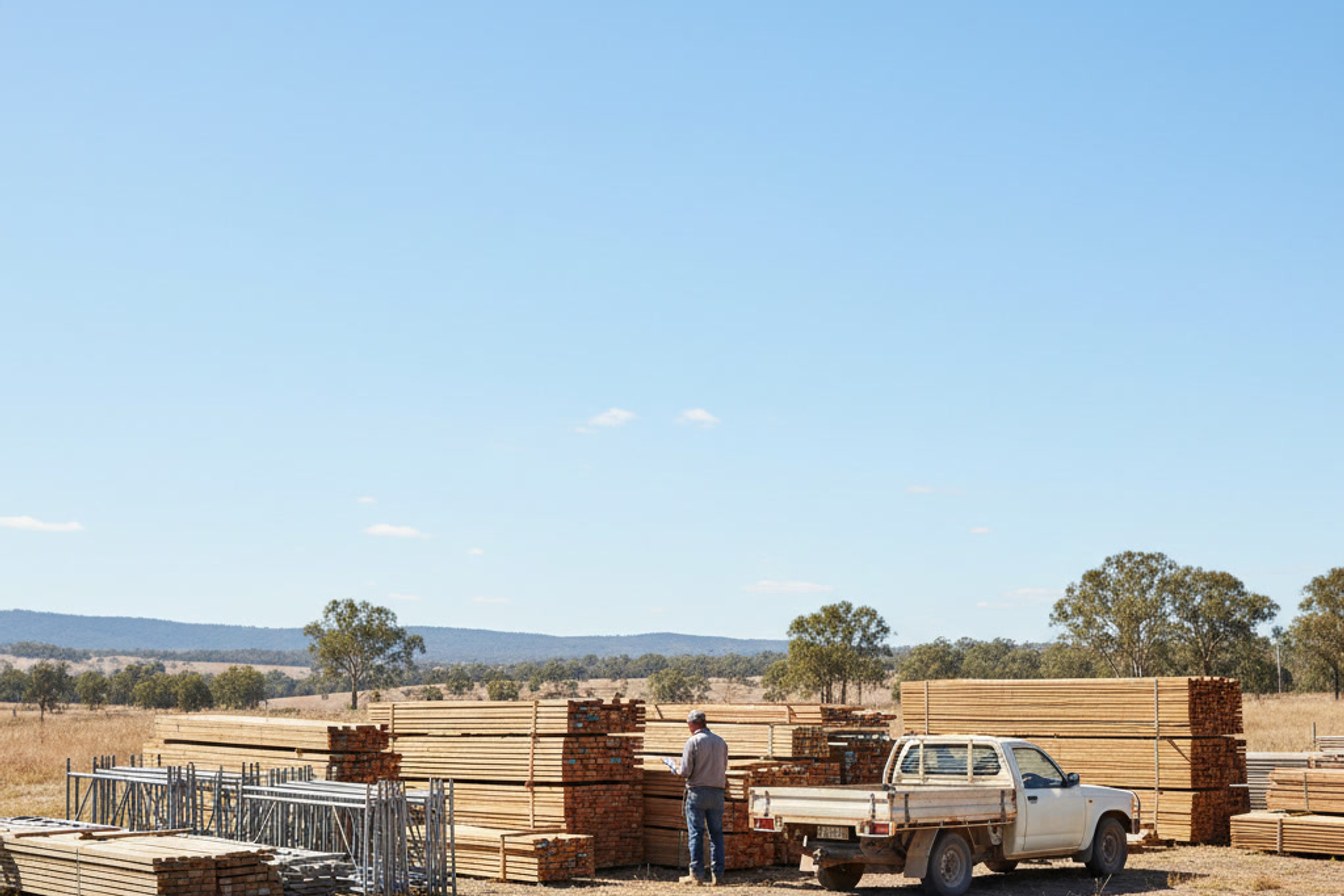
Megaprojects get the press conference.
The work a regional builder can win looks different. It turns up as a plain notice on QTenders, the Queensland Government's tender portal. Say, a station, a depot or a refurbishment in a town a five-hour drive from the nearest big contractor, with a scope that fits on one screen. If you're scrolling for the next big announcement, you'll scroll straight past it.
That's the first lesson. The size of the headline tells you little about the size of the jobs underneath it. Read the notices, not the media releases.
What the Queensland Procurement Policy 2026 changed
Since 1 January 2026, Queensland Government buying has run under the Queensland Procurement Policy 2026. Law firm McCullough Robertson describes it as built on five pillars. One of them, Local opportunities, favours small, family and regional businesses, and Muscat Tanzer points to the same pillar.
It doesn't hand anyone a contract. What it does is give buyers a reason to go looking for firms like the one in the Central Highlands. And it applies to the routine end of the market, which is exactly where the smaller jobs sit.
The policy helps a business that buyers can see and that actually bids. A buyer can't invite a firm it hasn't heard of. A firm that watches for big projects alone won't see the small ones when they're published.
Check your QBCC licence class before the scope
The Queensland Building and Construction Commission lists eight builder licences: Builder low rise, Builder medium rise, Builder open, Builder project management services and four restricted licences (kitchen, bathroom and laundry; shopfitting; structural landscaping; special structures). Open covers the most work.
Get into the habit of reading the licence requirement before you read the scope. If a notice asks for a class you don't hold, the no-bid decision takes five minutes instead of five days. If it asks for a class you do hold, you know the job deserves a proper read.
This matters more than it sounds. Every bid costs something: estimating time, a site visit that might be three hours' drive each way, the owner's evenings on the response schedule. A lost bid costs all of that. A bid you shouldn't have started costs exactly the same, and it was dead from page one. The licence check is the cheapest filter you have.
If the licence fits but the scope looks like a stretch, put a question to the buyer through the portal before clarifications close, and decide on the facts.
Why the small job is worth bidding
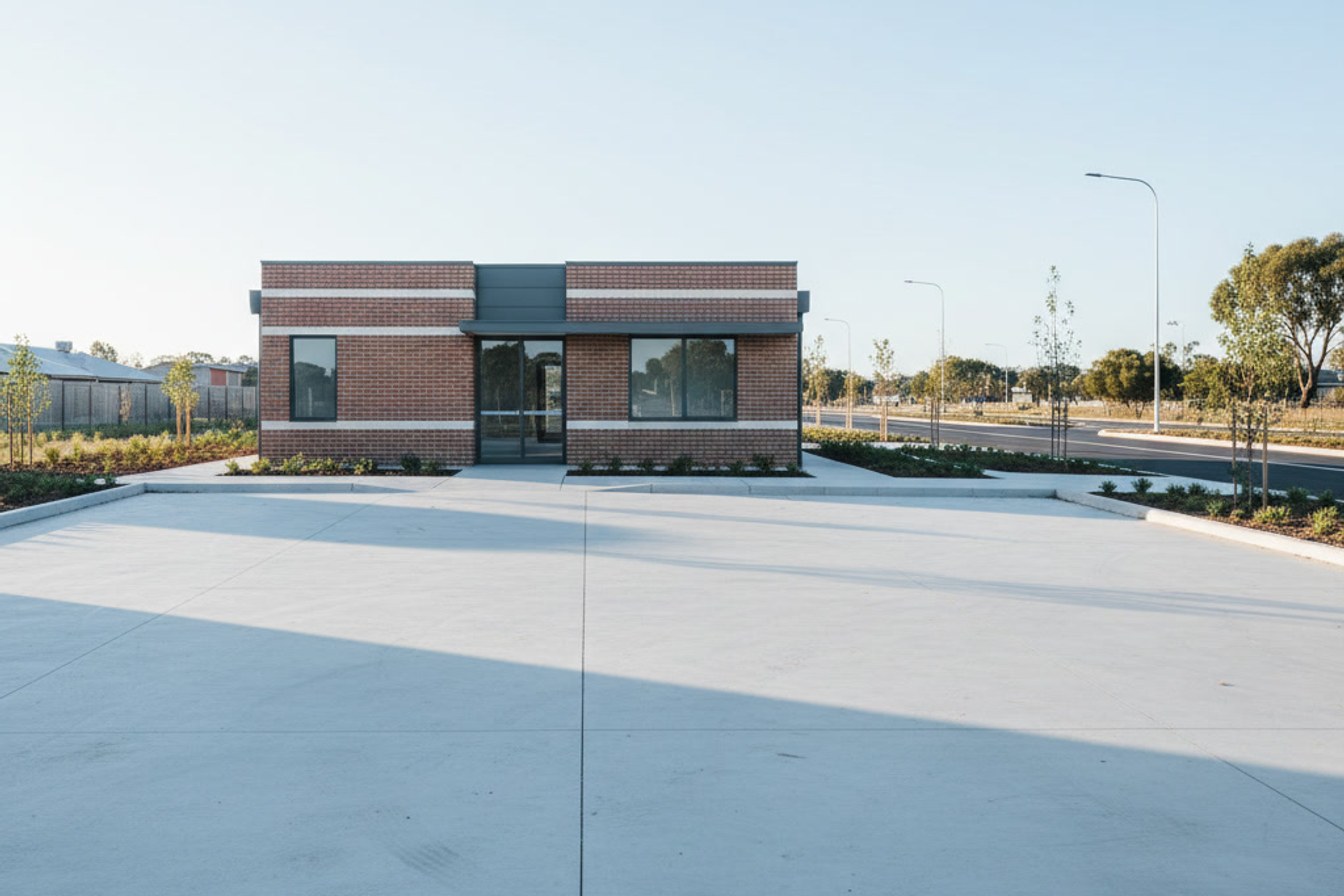
Regional builders often write off small state jobs as not worth the paperwork. We think that's backwards.
A finished regional job for a state agency is evidence. The next, bigger notice will ask for past work of a similar type, ideally for a government buyer, with a referee who answers the phone. A firm that has delivered one ambulance station on time has something to put in that section. A firm that waited for the big one has a page of general capability claims.
The small job pays you back in other ways too:
- You learn a buyer's paperwork once, on a job where the stakes are manageable.
- You build the document set buyers ask for, such as insurances, safety systems and policies, so the next response starts from a library and not a blank page.
- The agency's local staff learn your name before the next routine purchase comes up.
None of that happens if you don't see the notice in time.
The habit that slips first
That gives a regional builder three habits: check QTenders on a schedule, read the licence class first and bid the small jobs. The first one is the one that fails. Owners don't skip it because they think it's unimportant. They skip it because the morning portal check is the first thing to go when a site is busy, a client is ringing and the subcontractors need answers. A week passes, then two, and the job you would have bid on has closed.
You can keep doing that check by hand, or Helm Tender can do it for you. It refreshes Queensland Government tenders every two hours and puts them in one feed with Brisbane City Council and federal notices. Then it emails you a digest of the ones that fit your business, daily on Tracker and weekly on the free Watcher plan. Each match comes with an itemised 0 to 100 score showing exactly why it scored the way it did. You can watch a buyer so their next notice reaches your inbox, and reminders arrive 7, 3 and 1 days before close. The licence check and the bid stay with you, because Helm Tender never asserts eligibility and never submits a response for you.
See which tenders fit your business at https://helmtender.com.au/?utm_source=web&utm_medium=insights&utm_campaign=helm-tender
Questions this raises
Sources
Join the conversation on LinkedIn →


#Queensland Government tenders#Regional Queensland#Procurement policy#Small business