



What a council tender asks of a first-time tenderer
A council RFT tells you how you'll be judged. Here's what a first-time tenderer should read and prepare before the next one.
← All insights · By Helm Intelligence · 28 October 2026 · Ready
Helm Insights32 articlesMurweh Shire Council's Tenders and Contracts page shows no current tenders right now. It still links the council's register of contracts worth $200,000 or more.
That page is worth reading for any business that has never tendered, because the rules behind it are public and plain.
Here's an illustrative example, though you'll know the type. A cleaning business in a regional town has five staff, a good name locally and no government work yet. The owner's doubts usually sound like "we're too small" or "seventy pages in, we'll just stop". I think the first government job for a business like that is more likely to look like a regional council contract than a Brisbane 2032 package: one council, a set of buildings across one town, and a buyer that has to publish how it will judge you.
What a council asks bidders to prove

Every council RFT sets out how bids will be assessed. Read that section before anything else, because it tells you what the evaluators want to see.
A caterer bidding for a hospital kitchen, an IT firm bidding for a council help desk or a security company bidding for a depot reads a section like that too, in different words.
Experience, method and compliance are about whether you can actually do the work, and that's where a first-time tenderer has more to offer than they think.
Take each one in turn for our five-person cleaning business.
Experience and capability means showing similar sites you already clean. A medical centre, a school, a bank branch, a motel. Name them, say how long you've had them, and have a client willing to take a call.
Method has to show how you'll deliver the scope. Cleaning several buildings across a town isn't one job, it's a roster. Who goes where, on which days, with what equipment, and what happens when someone's sick. Write it the way you'd brief a new supervisor, because that's what the evaluator wants to see.
Compliance is the unglamorous one. Every form the RFT asks for, filled in, signed and returned in the format requested. A good bid that leaves out a returnable schedule hands the panel an easy reason to set it aside.
The rules every Queensland council works under
The legal frame around a council tender is public and readable. Under the Local Government Regulation 2012, Queensland councils:
- treat arrangements expected to cost, exclusive of GST, at least $21,000 (before 1 July 2026, indexed annually from then) and under the large-sized threshold as medium-sized and go to quotes
- treat arrangements expected to cost, exclusive of GST, at least $280,000 (before 1 July 2026, indexed annually from then) as large-sized and call written tenders
Section 237 of the same regulation requires councils to publish details of contracts worth $200,000 or more, exclusive of GST, as reported by Whitsunday and Cook councils' pages. Murweh Shire Council links its register of those contracts from the same Tenders and Contracts page as its tenders.
Above the regulation sits the Local Government Act 2009. It lists five sound contracting principles for Queensland councils:
- value for money
- open and effective competition
- the development of competitive local business and industry
- environmental protection
- ethical behaviour and fair dealing
The third one matters to a regional business. Councils are told, in the Act, to care about building local capability. How each council applies that is set in its own procurement policy. Cook Shire Council, for example, applies a 10% weighting in favour of local business. That's Cook's figure, set in Cook's policy, and not a rule for Queensland councils generally. Read the policy of the council you're bidding to before you assume anything.
How to get ready before the next RFT lands
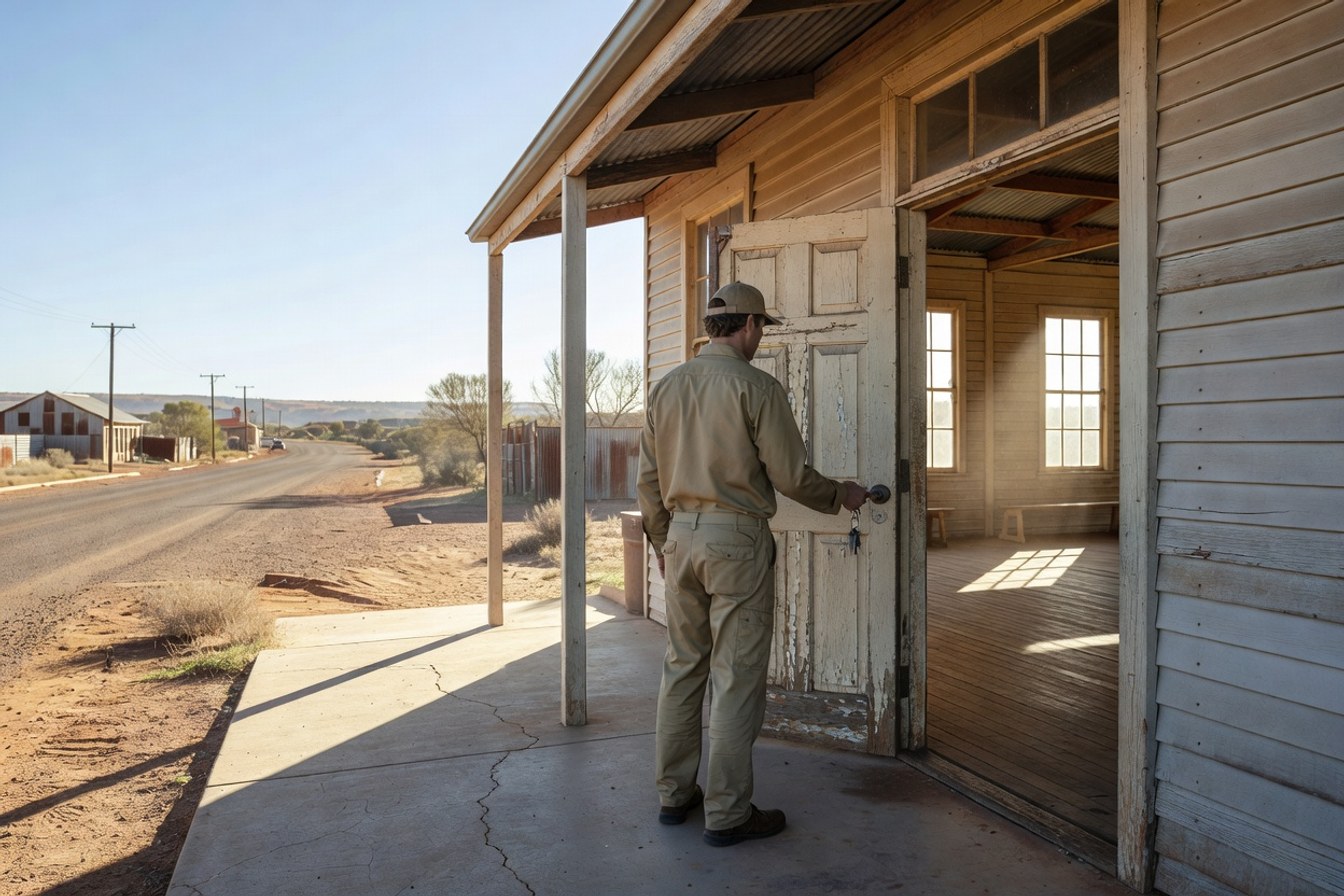
The best time to prepare for a council tender is the month before it's advertised. Here's the sequence I'd follow.
- Read the whole document. The Small Business Development Corporation in Western Australia advises reading the whole tender document. The conditions at the back are where the returnable forms and the format rules live.
- Map every criterion to evidence. One heading per criterion, and under each, the sites, references, rosters and documents that prove it.
- Write the method as a real plan. Name the buildings, the frequencies, the staff and the backup.
- Price the job you described. If the method says three visits a week, the price should cost three visits a week.
- Keep your insurance certificates, licences and policies current now, not the night before close. Don't let an expired certificate be the reason a bid stalls.
- Watch the deadline. The Small Business Development Corporation lists it alongside reading the document and explaining how you'll deliver the work and the value you offer.
- Know where tenders are published. business.gov.au identifies QTenders as Queensland's state government tender portal. Councils also list their own on their websites, so check the councils near you directly.
I think a business that has answered one plain council RFT well is ready for a bigger one, because the bigger one asks the same questions over more pages. A state agency tender on QTenders or a Brisbane City Council contract will want more evidence and a longer method. It still comes back to price, experience, method and compliance.
Doing the slow parts with help
Every step above can be done by hand with a folder, a spreadsheet and a calendar. Helm Tender does the slow parts of it with you. Paste in a council RFT that Helm Tender doesn't index and it becomes a full workspace, scored from 0 to 100 with every add and subtract labelled, and reminders 7, 3 and 1 days before close. The Ready Room checks the documents government buyers ask suppliers to attach against your own library and tracks their expiry and review dates. Queensland Government, Brisbane City Council and federal tenders come into one feed, and the AI draft marks any line it can't source for you to confirm, while you review, own and submit every word.
See which tenders fit your business at https://helmtender.com.au/?utm_source=web&utm_medium=insights&utm_campaign=helm-tender
What was the first government contract your business won, and what did it ask you to prove?
Questions this raises
Sources
- Murweh Shire Council: Request for Tender, Cleaning of MSC Facilities
- Murweh Shire Council: Tenders and Contracts
- business.gov.au: Find tenders and contracts
- Local Government Regulation 2012 (Qld)
- Local Government Regulation 2012 (Qld), section 237
- Local Government Act 2009 (Qld), section 104
- Cook Shire Council: Tenders and contracts
- Small Business Development Corporation: How to win government contracts and tenders
Join the conversation on LinkedIn →

#First-time tenderers#Council tenders#Regional Queensland#Tender preparation