



Most of the money in a generation tender never reaches the winner
A large energy procurement is a two-layer market. The head agreement is closed to almost everyone. The second layer is where most suppliers actually earn.
← All insights · By Helm Intelligence · 23 September 2026 · Ready
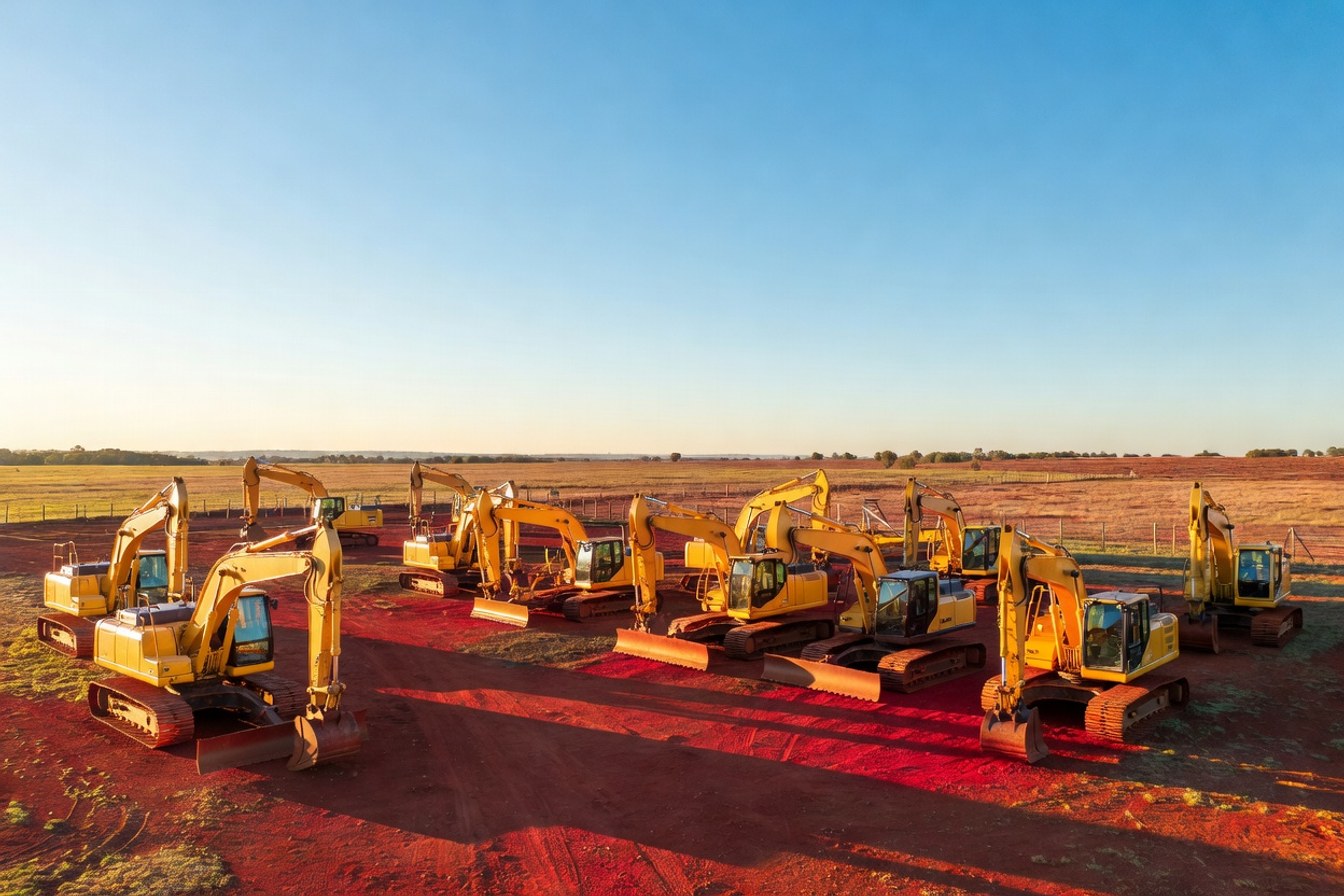
Helm Insights5 articlesWest of Rockhampton, a plant hire operator runs eleven machines with two operators on the books, no bid team and no intention of building one. She reads that a competitive tender has opened for new generation capacity in Central Queensland, decides in about four seconds that it has nothing to do with her, and goes back to quoting a fencing job.
She is right about the head agreement. She is wrong about the market.
That decision, repeated across hundreds of small suppliers every time a big energy procurement lands, is why the same regional firms watch the same convoys drive past their yards for three years without ever invoicing a dollar into the project.
A generation tender is two markets, not one
The first layer is the head agreement. A small number of proponents with balance sheets, development pipelines and existing plant compete for it. They are assessed in stages on things a plant hire firm was never going to supply: project readiness, capability, track record, and value to Queensland electricity consumers. Price is not the whole test, which tells you something about who the buyer expects to be at the front of the queue.
That layer is closed to almost everyone reading this. Fine. Ignore it.
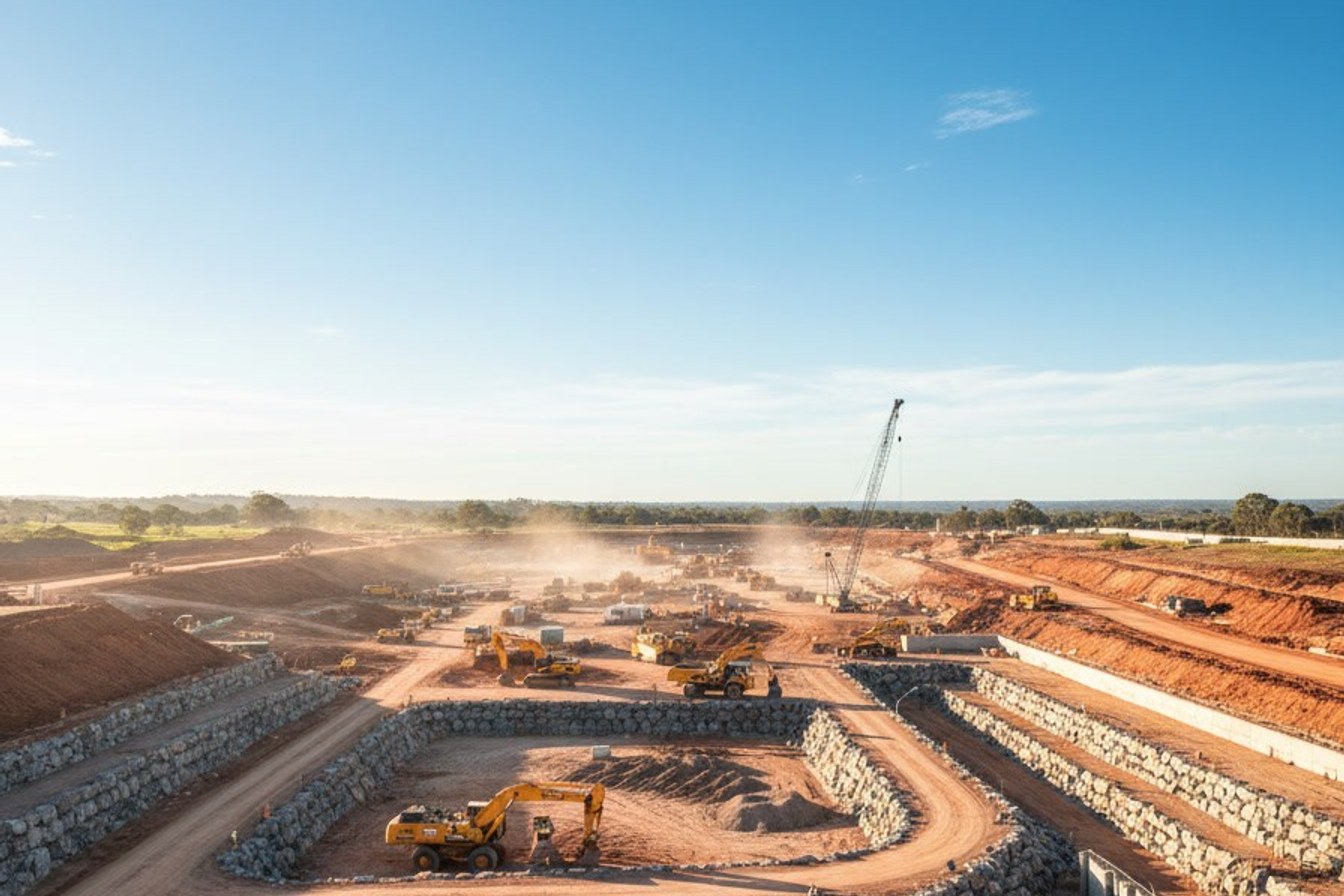
The second layer is everything the winner has to buy afterwards to actually build and run the thing. Look at how major energy and transmission programs are broken up on ICN Gateway and the shape of it is obvious. Access tracks and earthworks. Concrete and quarry materials. Cranage and haulage. Environmental services. Workforce accommodation, security, traffic management, waste and water services, labour hire and training.
None of that sits in the head tender document as a line item you can bid on. All of it gets purchased after somebody signs.
So the useful question for a small or medium supplier is not whether to bid for the headline contract. It is whether the eventual builder can find you at all.
What actually happens after the award
Here is the sequence, and it is the same on a transmission line, a hospital, a stadium upgrade or a defence facility.
The winner signs. Then it has a program with dates on it and a supply chain that does not exist yet. It builds that chain under time pressure, out of two pools: the suppliers it has already used, and whoever it can find quickly and verify quickly.
The first pool is closed to you unless you have worked for them before. The second pool is the whole opportunity, and it is open for a matter of weeks. Procurement leads do not run a national search for every package. They search what is in front of them, shortlist, call, check insurances, and move on. If your capacity, your certifications and your contact details are not somewhere they can find and trust on the day they are looking, you are not in that shortlist. There is no second round.
This is why the preparation happens before the award, not after it. By the time the news story runs saying who won, the packages people notice first are already being scoped.
Being findable has a name

ICN Queensland (the Industry Capability Network) runs the register head contractors search when they need suppliers for a work package. business.gov.au points to the Industry Capability Network as the mechanism that connects suppliers to major project buyers in Australia, which is a fair description of what it does. It is built for exactly this job.
Registration is free at the entry tier for Australian and New Zealand companies.
The smartest thing on ICN Gateway is the partial scope path. You register for the part of a package you can genuinely deliver rather than pretending to the whole thing. A firm with eleven machines does not bid bulk earthworks for a substation site. It registers for the tracks, the pads, the traffic control support, the hourly hire with operators, whatever is real. Buyers looking to fill a gap in their chain are often looking for exactly that fragment.
Whether a head contractor calls is entirely up to them. That is precisely why the profile has to be good. What good looks like, in the order a procurement lead reads it:
- Real capacity numbers. Machine counts, sizes, crew numbers, how much you can put on site in a fortnight and how much you cannot.
- Current certifications and insurances, with the expiry dates correct rather than guessed.
- Geography stated plainly, including how far you will travel and whether you can accommodate crews.
- Referees who answer the phone, on work that resembles what is being bought.
- A capability statement a busy person can read in ninety seconds and act on.
That is a weekend of work, once, and then twenty minutes a quarter to keep it current. Most firms never do it, then explain the missed project as bad luck.
Local content gives proponents a reason to look early
There is a second reason to be ready before anyone signs anything.
The Queensland Government's Department of State Development publishes the tenderer and applicant guidelines for the Queensland Charter for Local Content. On eligible projects, successful tenderers lodge a statement of intent about how local businesses will get a fair opportunity, and later report on the contracts that actually went to local firms through a project outcome report. The department's compliance and reporting guidelines set out how that reporting works.
Read that from the proponent's side. A bidder who knows it may have to name local capability, and later report on what it actually spent locally, would rather find real Central Queensland suppliers while it is still writing the bid than scramble for them months after award. Bid teams hunt for named, credible local suppliers during the tender period because that content strengthens the submission they are writing right now.
Which means the window where a regional supplier is most useful to a proponent opens before the award, not after it. The firms that are visible and current during the bid period sometimes end up named in the submission that wins.
Preparation, not paperwork on the day
The pattern across every big energy, transport and social infrastructure program in Queensland is the same. The head contract is decided by a handful of large organisations. The long tail of civil, plant, logistics, professional services and site services work is decided by the winner, fast, from what it can find.
So the job is not chasing the headline tender. It is three unglamorous habits: keep the profile current, know the state of your own documents rather than hoping, and watch the buyers and programs that touch your region so you are moving weeks before the award, not weeks after.
That last part is where Helm Tender does the quiet work. It surfaces forward procurement signals before a tender exists, quoted from the agencies' own published plans, lets you watch a buyer or a contract end date and emails you when something moves, and runs the Ready Room, a register of the 55 documents government buyers ask suppliers to attach, checked against your own library with expiry and review dates so the insurance certificate you send is the current one. Queensland Government, Brisbane City Council and federal tenders arrive in one morning briefing, scored 0 to 100 with every add and subtract labelled, so you can see why something matched your business.
See what a morning briefing looks like for your business at https://helmtender.com.au/?utm_source=web&utm_medium=insights&utm_campaign=helm-tender.
If a head contractor searched your category and your region this week, what would they find, and would the phone number on it still work?
Questions this raises
Sources
- ICN Gateway: join and register your business
- business.gov.au: Industry Capability Network
- Queensland Charter for Local Content: tenderer and applicant guidelines (Department of State Development)
- Queensland Charter for Local Content: compliance and reporting guidelines (Department of State Development)
Join the conversation on LinkedIn →
#energy procurement#supply chain#ICN Gateway#local content#regional Queensland#subcontracting